“Ripe Bean” search results (2000)

Indonesia yellow man coffee ripe beans Sumatra Aceh Gaiyou mountain production
Coffee Bean Details: Country: Indonesia Grade: G1, 19 mesh + Origin: Aceh Gayo Mountain Region Altitude: 1100-1300 m Processing Method: Traditional Wet Planing Variety: Kadimo, Kadulla, Tibika, Sidikalong Producer: Gayo Mountain Region Local Small Farmer Flavor: Round and Pure Taste, Excellent Body, Spice, Herbal Aroma
2016-05-19 Indonesia yellow man coffee ripe beans Sumatra Aceh cayo mountains producing areas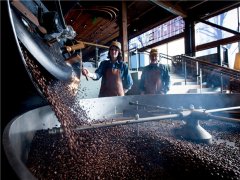
How long is the shelf life of ripe coffee beans? How long does it take to finish the cooked beans after roasting?
Wine lovers all know that a bottle of wine encapsulated in a bottle is a living creature that is changing all the time. In fact, the same view applies to packaged and stored coffee beans. So how long can the unopened coffee beans be preserved in proper packaging? We use the practical experience of a large number of lovers and coffee shopkeepers to freshen the cooked beans of coffee.
2015-10-16 Coffee cooked beans shelf life long time coffee beans roasting when best Portugal
Sumatra traditional wet planing Mantenin Indonesia Mantenin boutique coffee ripe beans
Wet planing method step by step 1, peel the coffee fruit, put the shell beans into a vat or sink filled with water, and remove the defective shell beans floating on the liquid surface. 2. Wash the dense shell beans sunk to the bottom of the water slightly, put them into a bucket or plastic bag, and do a little dry body fermentation, that is, to ferment and flavor the pectin sugar on the surface of the seed shell. Basically, the longer the fermentation time, the more sour. During fermentation
2016-04-26 Sumatra traditional wet plane Mante Neiman Tenin boutique coffee cooked beans wet
Washed coffee beans in America introduction to Costa Rican goddess manor coffee beans
Produce organic fertilizer that can enhance the disease resistance of coffee, and the soil is suitable for California earthworms. When the coffee fruit is ripe, it is picked by hand, and only the ripe red-purple berries are picked. The processing method of raw coffee beans is washed with water, which is treated at a very unique constant temperature. The degree of fermentation makes the clarity and complexity of coffee get an excellent balance, and its flavor shows better stability. Geisha (roses)
2016-06-20 America washing coffee beans Costa Rica goddess manor introduction production increase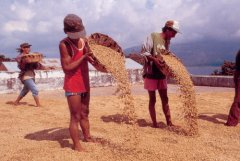
A brief introduction to the treatment of raw coffee beans
Tanning is a traditional method for the initial processing of coffee beans, and at present, almost all coffee-growing countries such as Ethiopia and Yemen still use solarization to treat raw beans. Sun treatment will first identify sunken beans in the sink, that is, ripe or half-ripe beans are spread in the drying farm for natural drying. The specific time depends on the local climatic conditions, which usually takes two to four weeks.
2014-09-23 Coffee knowledge coffee bean treatment tanning method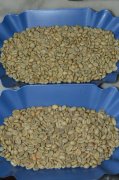
Sun Yega Chuefei G1 VS Solar Yega Xuefei G3
As a Yega Xuefei control, there must be Beloya Yega Xuefei on the bean list, and the G3 grade of the Ecx batches that arrived this year (G3 is the highest level of sun-dried beans in the Ethiopian grading system, and G1d2 grade is assigned to washed raw beans), which is already amazing, unexpectedly, there is an abnormal Beloya Kochere cooperation.
2014-06-19 Coffee knowledge Yega snow coffee coffee encyclopedia
Harvest, processing and storage of coffee beans
The harvest of coffee beans in winter every year, that is, the dry season, is the harvest period of coffee beans. After three to four years of growth, coffee trees are maturing and begin to bear fruit. The fruits are arranged in strings or clumps next to the branches. The coffee beans are wrapped in a red coat and can be picked as soon as they turn red. Most Arabica coffee beans mature in June and August, and Robasta coffee beans
2014-06-10 Coffee beans processed stored
Plant coffee trees correctly
One of the characteristics of a coffee tree is that its fruit can bear fruit several times a year, and another is that flowers and fruits coexist at different stages of ripening.
2014-06-17 Coffee knowledge planting coffee trees coffee encyclopedia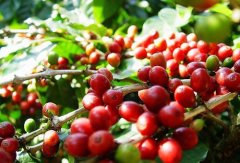
Ripe beans of Pokuit Coffee in boquete production area of Kaisalouis Manor in Panama
Casa Ruiz, S.A., Panama. Manor, founded in 1920, is located in the Boquete producing area of Baru Volcano Volcano, which is located in the Poquet Valley in the skirt of Baru Volcano in northwestern Panama. Has experienced three generations of coffee planting experience, Caesar Louise (Casa Ruiz, S.A.) The family has combined with the local super
2016-05-10 Bana Makai Salu Ice Manor boquete producing area Pokui Cha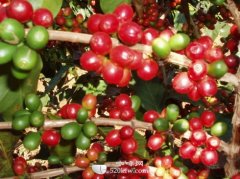
Knowledge of Coffee trees, Coffee Flowers and Coffee fruits
Click to view the original picture The coffee tree is an evergreen tree with small white flowers and green fruit that does not turn red until it is ripe. A normal coffee tree can usually grow to a height of 5 to 10 meters, but bean farmers often prune it to less than 2 meters for harvest convenience. After flowering, there are many dark green oval fruits, and the ripe fruits change from dark green to bright red.
2014-06-25 Coffee knowledge coffee common sense coffee encyclopedia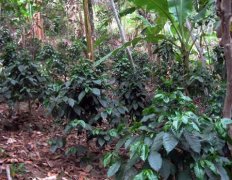
The production of coffee beans with basic knowledge of fine coffee
Coffee trees take 3-5 years from planting to fruiting. 6-10 years of coffee trees are the most likely to bear fruit, about 15-20 years, is the harvest period. Coffee trees are usually bred in nurseries and grow into saplings, and then moved to coffee farms a year later, in full compliance with the way the Arabs planted and cultivated coffee trees. Coffee trees will continue to take root downward and upward in the first four or five years of their growth.
2014-11-20 Coffee knowledge coffee knowledge coffee basics coffee bean production
Ripe beans of Pokuit Coffee in boquete production area of Kaisalouis Manor in Panama
Coffee was introduced into Panama in 1780, when Europeans introduced the first Typica tree species. After that, this mysterious and strange drink conquered the senses of Panamanians, and the local people began to grow it widely. Casa Ruiz, S.A., Panama. Manor, founded in 1920, is located in the Boquete producing area of Baru Volcano Volcano.
2016-05-14 Bana Makai Salu Ice Manor boquete producing area Pokui Cha
The output and export of Brazilian coffee beans introduce the classification of coffee taste
Generally speaking, coffee fruit appears red when it is ripe. But the yellow bourbon coffee is yellow. The phrase yellow (yellow: yellow) comes from this. Compared with other coffee trees, the production of yellow bourbon coffee tree is relatively low and its cultivation is very difficult. When the yellow bourbon coffee beans are fully ripe, they will appear bright yellow. The processed roasted coffee beans are dry and sweet, and emit a kind of
2016-06-05 Brazil coffee beans production export introduction coffee taste classification generally speaking
The output and export of Brazilian coffee beans introduce the classification of coffee taste
Generally speaking, coffee fruit appears red when it is ripe. But the yellow bourbon coffee is yellow. The phrase yellow (yellow: yellow) comes from this. Compared with other coffee trees, the production of yellow bourbon coffee tree is relatively low and its cultivation is very difficult. When the yellow bourbon coffee beans are fully ripe, they will appear bright yellow. The processed roasted coffee beans are dry and sweet, and emit a kind of
2016-06-05 Brazil coffee beans production export introduction coffee taste classification generally speaking
A brief introduction to the Life process of Coffee beans
Coffee trees take 3-5 years from planting to fruiting. 6-10 years of coffee trees are the most likely to bear fruit, about 15-20 years, is the harvest period. Coffee trees are usually bred in nurseries and grow into saplings, and then moved to coffee farms a year later, in full compliance with the way the Arabs planted and cultivated coffee trees. Coffee trees will continue to take root downward and upward in the first four or five years of their growth.
2014-11-19 Coffee knowledge boutique coffee science coffee beans
The method of taking beans in the sun for the primary processing of coffee beans
Tanning is a traditional method for the initial processing of coffee beans, and at present, almost all coffee-growing countries such as Ethiopia and Yemen still use solarization to treat raw beans. Sun treatment will first identify sunken beans in the sink, that is, ripe or half-ripe beans are spread in the drying farm for natural drying. The specific time depends on the local climatic conditions, which usually takes two to four weeks.
2014-11-22 Coffee knowledge coffee bean processing solarization
Explanation on the method of taking beans and Solar treatment in the Primary processing of Coffee beans
Tanning is a traditional method for the initial processing of coffee beans, and at present, almost all coffee-growing countries such as Ethiopia and Yemen still use solarization to treat raw beans. Sun treatment will first identify sunken beans in the sink, that is, ripe or half-ripe beans are spread in the drying farm for natural drying. The specific time depends on the local climatic conditions, which usually takes two to four weeks.
2014-10-09 Coffee knowledge coffee bean processing sun-cured coffee beans
Introduction to the characteristics of flavor description treatment method for roasting degree of raw and ripe beans of El Qomolangma coffee
Country of production: El Salvador; Garden name: Saint saliva production period: 2006 / 2007 defects Specification: 6 defects / 300g size Specification: over 18 mesh 95% Coffee Variety: Pacamara, it is a hybrid between wave and giant beans. Flowering period: April-May harvest period: December-March other: processing method completely washed, 100% natural drying, origin mark
2016-10-17 El Salvador Mount Everest coffee raw beans cooked beans roasting degree flavor description place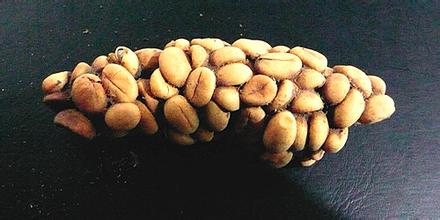
Boutique coffee bean musk cat coffee introduces unique flavor
Civet Coffee (Kopi Luwak), native to Indonesia. It is one of the most expensive coffee in the world, with a price of several hundred dollars per pound. It is extracted from the feces of the civet and processed. The civet eats the ripe coffee fruit and is excreted through the digestive system. After it is fermented through the stomach, the coffee produced has a special taste and has become a grab in the international market.
2015-12-06 Boutique coffee beans musk coffee introduction flavor unique cat shit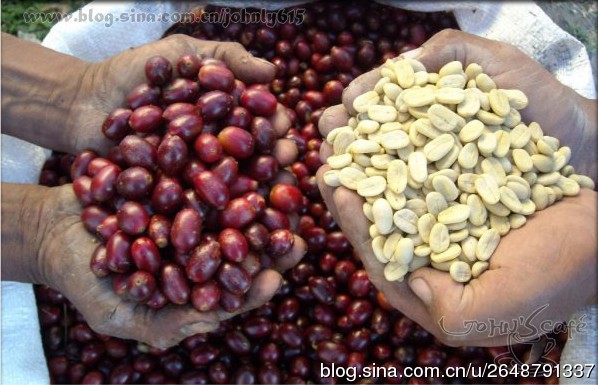
World coffee producing country Indonesia Mantenin fine coffee ripe beans Sumatra Mantenin pure black coffee
Asia's best-known coffee producers are the Malay islands of Sumatra, Java and Kalimantan. Sumatra mantning coffee from sumatra, indonesia, is the most famous. Both Lake Toba in Subei Province and Lake Tawa in Aceh produce mantnin coffee, which is known as the two lakes Shuangman. The common ground between the two lakes is that they are both very
2016-03-31 World Coffee Country of Origin Niman Tenin Fine Ripe Bean Sumatra Island Man Pure